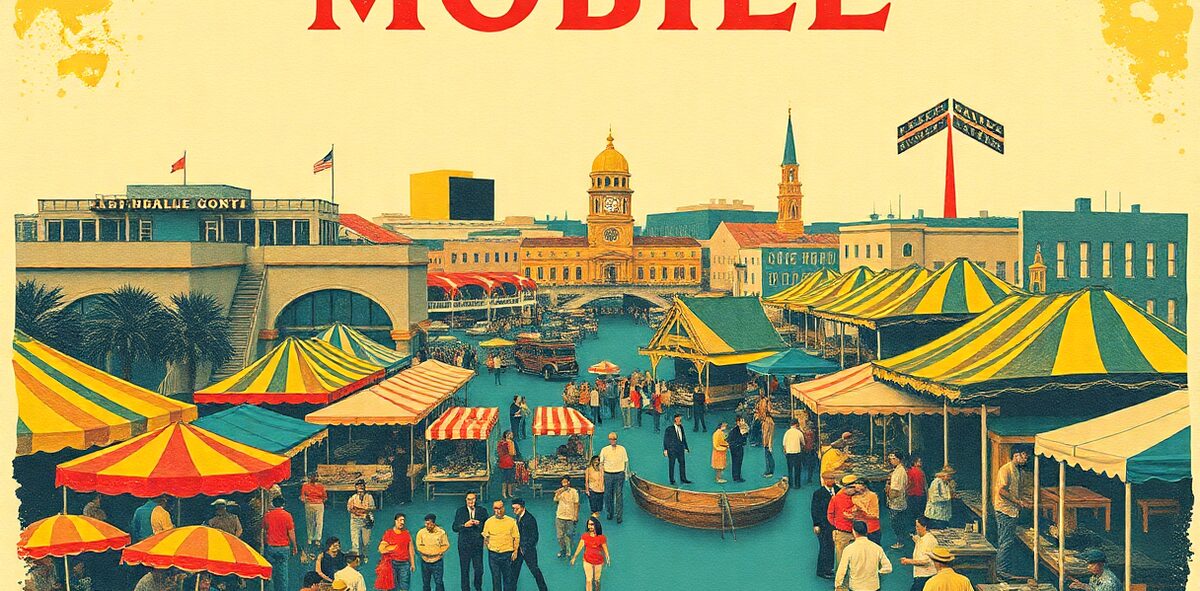
Mobile Guide
Non-negotiable, and older than you think: Mobile threw America’s first Mardi Gras in 1703, years before New Orleans even existed, and the city still stages a huge, gloriously old, family-friendlier version. It’s one of the great American parties — and most of the country has no idea it’s here.
Why it earns the trip
The claim is real and it matters. French colonists celebrated Carnival at the original Mobile settlement in 1703, which makes Mobile the recognized birthplace of American Mardi Gras — 15 years before New Orleans was founded in 1718. New Orleans built a bigger, louder version and marketed it to the world; the first one was here on the Gulf, and it never stopped.
Three things the New Orleans reputation obscures. First, this isn’t a one-day event — Mobile runs dozens of parades across roughly two to three weeks leading up to Fat Tuesday, so there’s almost always one rolling. Second, it’s organized by secret “mystic societies,” social clubs that stage the parades and balls, the oldest dating to the 1800s — that ceremony and secrecy is why Mobile’s Carnival feels more traditional than a tourist spectacle. Third, the signature throw is the MoonPie: the marshmallow sandwiches get hurled by the thousands, a tradition so beloved the city lowers a 600-pound electric MoonPie downtown every New Year’s Eve.
The move
Come for the parades in the days and weeks before Fat Tuesday, not just the Tuesday itself. Stake out a downtown spot along the route early, bring a bag for the MoonPies and beads raining down, and wave — the riders throw to people making eye contact. For a calmer, more kid-friendly experience, hit the weekday parades rather than the packed final weekend. Watching is free; grandstand seats, ball tickets, and food are the only real costs.
The honest catch — plan around it
The date moves with Easter — usually February, sometimes early March — so never assume; pull the official parade schedule for the year before booking a thing. Downtown hotels fill and jack up rates during Carnival, so reserve early or stay outside the core and drive in. And skip the assumption that it’s a Bourbon Street free-for-all: Mobile’s street parades are family affairs, and the wildest nightlife is behind the invitation-only ball doors, not out on the route.
Nearby
Build a Gulf Coast weekend from the Alabama coast, pairing Carnival with a paddle into the Mobile-Tensaw Delta, “America’s Amazon” or royal red shrimp on the Gulf Shores coast. It’s the signature February entry in the whole Alabama guide.
| Cost | free to watch |
|---|---|
| Time needed | an afternoon or evening per parade; a long weekend to do it right |
| Best season | the weeks before Fat Tuesday (February, sometimes early March — the date follows Easter) |
| Where | Mobile · South Alabama |
📍 Where: Mobile, Alabama · 30.6913, -88.0438
Common questions
Is Mobile's Mardi Gras really older than New Orleans'?
Yes. French colonists celebrated Mardi Gras at the original Mobile settlement in 1703, and Mobile is recognized as the birthplace of the American Carnival tradition — years before New Orleans was even founded in 1718. New Orleans grew its version bigger and marketed it harder, but the first one was here on the Gulf.
When is Mardi Gras in Mobile?
It's tied to Easter, so the date moves — Fat Tuesday falls in February most years and occasionally early March. The parades don't happen only on that one day, though: Mobile runs dozens of parades across the two to three weeks leading up to Fat Tuesday. Always check the official parade schedule for the year before you book travel.
How much does it cost to attend?
Watching the parades is free — you stand along the downtown route and catch the throws. Costs are optional: a spot on grandstand bleachers, a Mardi Gras ball ticket (many are invitation-only, hosted by the mystic societies), food, and lodging. Hotels book up and raise rates during Carnival, so reserve early.
Is Mobile's Mardi Gras family-friendly?
Considerably more so than the Bourbon Street image. Mobile's Carnival leans toward parades, marching bands, floats, and throws that families line up for with kids and lawn chairs. It has grown-up nightlife and formal balls too, but the daytime and early-evening street parades are genuinely kid-appropriate — bring a bag for the loot.
What are the 'mystic societies'?
They're the secret social clubs that stage the parades and balls — Mobile's Carnival is organized by these mystic societies, the oldest of which trace back to the 1800s. Each rolls its own themed parade with elaborate floats and masked riders. The secrecy and tradition are central to why Mobile's version feels older and more ceremonial than the tourist spectacle elsewhere.
What gets thrown from the floats?
Beads and doubloons, yes — but Mobile's signature throw is the MoonPie. The marshmallow-and-graham sandwiches get hurled by the thousands from floats, a tradition so beloved the city drops a 600-pound electric MoonPie downtown on New Year's Eve. Stand along the route, wave, and you'll go home with a bag full.
One of 120 in Kick the Bucket List: Alabama
The full book is 120 checkable picks like this one — with a Bucket Rating on every entry telling you what's worth the drive and what to skip. A keepsake you fill in and score.
Get the Alabama book →More Alabama Kick-It Picks
November: The Iron Bowl
Non-negotiableEat White-Sauce Chicken Where White Sauce Was Invented
Non-negotiableSeptember: A College Football Saturday
Non-negotiableCatch a Rare Lily Blooming in a River
Non-negotiableVerified 2026-07. Prices and hours change — confirm before you drive. Something wrong? Tell us.