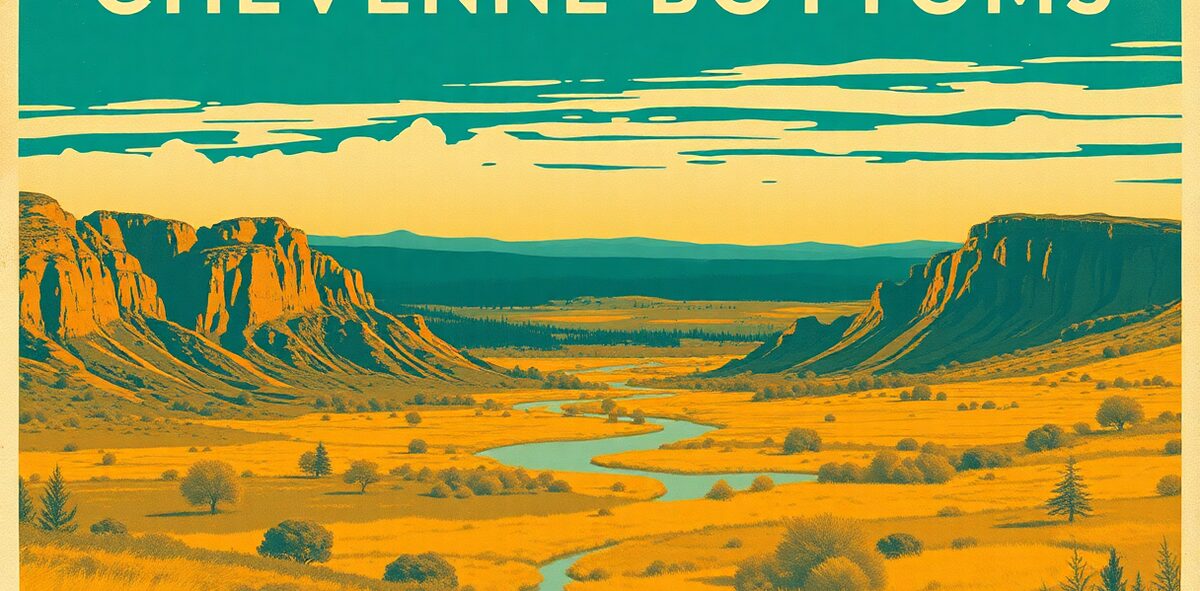
Cheyenne Bottoms Wildlife Area Guide


Worth the drive, and one of the plains’ best-kept secrets: Cheyenne Bottoms is the largest inland marsh in the United States — roughly 41,000 acres of shallow wetland in the dry middle of Kansas — and every spring up to 600,000 shorebirds drop into it to rest and feed. Almost no one outside birding circles knows it exists.
Why it earns the drive
The scale is the story. An estimated 45% of all North American shorebirds pass through here on migration, which is why it carries a Wetland of International Importance designation and anchors a Western Hemisphere Shorebird Reserve. In peak spring weeks the water goes dark with birds — up to 39 species at once — and the noise of that many wings and calls is a thing you feel, not just see.
Three things the map won’t tell you. First, the wetland sits in a natural land sink about 150 feet below the surrounding plain, fed by three creeks and pumping — the flatness people mock is exactly why the water pools here. Second, the Kansas Wetlands Education Center on K-156 is free and tells you what’s moving through that week, so start there. Third, this pairs with Quivira National Wildlife Refuge just south — an inland salt marsh, salt water hundreds of miles from any ocean — for a birding day with no equal in the interior of the country.
The move
Come during spring migration, roughly April into May, and be on the auto route at dawn — that’s the biggest numbers, the best light, and the calmest wind. Drive slowly, binoculars on the seat, and stop at the pool overlooks rather than trying to cover ground fast. Fall (September–November) brings a second wave of up to 200,000 birds if you miss spring. Bring your own water; the nearest services are in Great Bend, about 10 minutes away.
The honest catch — what to skip
Timing is everything, and it’s weather-dependent. Show up in July, or in a drought year when the pools go dry, and you’ll find a lot of mudflat and not much else — this is not a year-round wildlife spectacle. Skip the midday summer visit entirely. Call the Kansas Wetlands Education Center before you drive to confirm water levels and what’s moving. And it’s genuinely remote — no lodge, no café inside — so this is a self-supplied outing, not a resort.
Nearby
Loop it with Quivira’s inland salt marsh to the south for both great central-Kansas wetlands in one day, or run the drive east to the Cosmosphere in Hutchinson. It’s a cornerstone of the outdoor half of the Kansas guide — proof the “empty” plains hide a Western Hemisphere-scale wildlife event.
| Cost | Free |
|---|---|
| Time needed | 2–4 hours |
| Best season | spring migration (April–May) is the show |
| Where | Great Bend · South Central Alabama |
📍 Where: Cheyenne Bottoms Wildlife Area, Great Bend, Kansas · 38.4756, -98.6546
Common questions
When is the best time to visit Cheyenne Bottoms?
Spring migration, roughly **April into May**, at dawn. That's when up to **600,000 shorebirds** funnel through and the low light is best. Fall migration (September–November) brings a second wave of up to 200,000 birds. Midsummer and deep winter are quiet by comparison, and drought years can drop the water — call the Kansas Wetlands Education Center first.
How much does it cost to visit Cheyenne Bottoms?
Free. It's a Kansas Department of Wildlife and Parks wildlife area with open access and a self-guided auto route. No entry fee, no permit for driving the loop. Bring your own water and fuel — Great Bend is the nearest town for services.
How long should I plan at Cheyenne Bottoms?
**2–4 hours** to drive the auto route slowly and stop at the viewing pools. Serious birders spend a full dawn-to-dusk day in peak migration, often pairing it with Quivira to the south for both marshes in one outing.
Is Cheyenne Bottoms really that important for birds?
Yes — it's not local hype. An estimated **45% of all North American shorebirds** pass through during migration, it's a designated **Wetland of International Importance** (Ramsar site), and it anchors a Western Hemisphere Shorebird Reserve. Birders fly in from other countries for it.
What birds will I actually see at Cheyenne Bottoms?
In spring, huge flocks of shorebirds — up to **39 species** in migration — including long-billed dowitchers, Wilson's phalaropes, sandpipers, and American avocets, plus herons, egrets, pelicans, and raptors. The endangered whooping crane and piping plover turn up in season. It's numbers and diversity at once.
Is Cheyenne Bottoms worth the drive?
Worth the drive — a globally important marsh hiding in central Kansas, black with birds every spring, that almost nobody outside birding circles has heard of. It rewrites the flat-and-empty story of the plains.
What else is near Cheyenne Bottoms?
Quivira National Wildlife Refuge and its inland salt marsh sit just south — the two connect via the Wetlands & Wildlife National Scenic Byway. It also pairs well with the [Kansas outdoors and byways](/kansas/) on the way to the Cosmosphere in Hutchinson.
One of 120 in Kick the Bucket List: Kansas
The full book is 120 checkable picks like this one — with a Bucket Rating on every entry telling you what's worth the drive and what to skip. A keepsake you fill in and score.
Get the Kansas book →More Kansas Kick-It Picks
Touch a Spacecraft That Went to the Moon
Non-negotiableWalk the Santa Fe Trail in Council Grove
Worth the driveDrive the Flint Hills Scenic Byway
Non-negotiableStand in a Field of Sunflowers at Grinter Farms
Worth the driveVerified 2026-07. Prices and hours change — confirm before you drive. Something wrong? Tell us.